Jewellers
Oct 26, 2026
Do Jewellery Buyers Pay More For Designer And Antique Pieces?
When you want to sell your unwanted jewellery, it is normal to ask yourself if your old gold ring, designer bracelet or antique necklace can bring in more than what the metals used to create them are worth. This is because there are times when jewellery buyers will give you more money for your old jewellery based on its design, maker, gemstones and popularity on the used jewellery market.
However, simply being older or having a brand name does not mean the product will have a higher value. In addition to age and brand recognition, several other factors such as condition, authenticity, rarity, and appeal to prospective customers determine how much a product is worth on the secondary market.
These considerations will enable you to make a more educated choice when deciding who to sell your jewellery to.
Designer jewellery is worth more to some because they consider the brand, workmanship, and style, not just the materials.
The value of items manufactured by well-known jewellery brands like Cartier, Tiffany & Co., Bulgari, and Van Cleef & Arpels may vary when sold in the second-hand market, depending on several factors, including the item's type, authenticity, condition, and demand at that time.
An example would be a signed gold bracelet that has a very unique style. It will appeal to people who want to purchase that particular item. However, if you have another gold bracelet that is identical to the first (same weight) but unsigned, it will likely be appraised mainly for its gold value.
Several factors can influence the price of designer jewellery:
Brand awareness: Existing jewellery brands can develop a loyal customer base for their pre-owned products.
Iconic/popular designs may attract both buyers and collectors.
Authenticity: When determining if an item is authentic, the use of genuine maker's marks, serial numbers, and documentation can provide evidence that supports its authenticity.
In order for jewellery to be considered more valuable, it should have very little wear and still retain all its original parts.
Original packaging – boxes, receipts, and certificates can help establish both the authenticity of an item and its origin (provenance) if such documentation exists.
The brand name is just one factor that will determine if you get a good offer on your item. You should also take into account whether or not you will be able to sell the item again and what people are willing to pay for it right now.
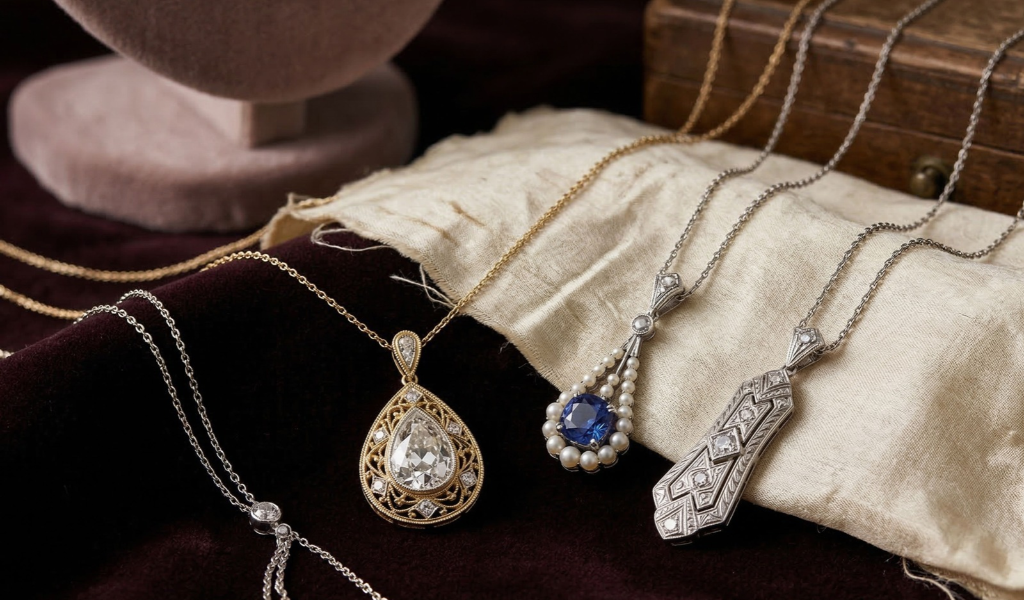
Antique jewellery may command a high price if there is an association with history, unusual artisan work, scarcity, or quality gems. Other items of antique jewellery will have value because of their connection to a specific time in history or to a certain type of jewellery-making.
For instance, many collectors will be attracted to Victorian, Edwardian and Art Deco jewellery because of their appreciation for the design of each period and the fine craftsmanship involved in producing it.
A vintage brooch that has elaborate details, a unique design, or an intriguing story may be more attractive to buyers than a mass-produced product with the same amount of gold.
Age alone does not determine the value of an item. An older item which has suffered damage, is missing its original stones, or simply does not have much demand for it will most likely command a very low price. On the other hand, a newer item can be extremely valuable if it was produced in limited quantities, is highly sought-after, or was created by a well-known artisan.
When assessing antique jewellery, buyers may consider:
If you possess an inheritance of jewellery or have had a family heirloom in your family for many years, a professional appraisal may be able to determine if the item holds a greater material worth as a collectible.
When it comes to buying jewellery from someone, whether an individual or a company, several factors will influence the price a buyer is willing to pay for the item.
Gold and Precious Metal Content
Gold purity and the amount of gold contained in a piece of jewellery will determine how much that item is worth. In the UK, gold hallmarks provide a way to tell if your gold jewellery is of high quality. There are many different types of hallmarks that indicate the purity of gold. Some of the most common ones include 375, which represents 9-carat gold; 750, which represents 18-carat gold; and 916, which represents 22-carat gold.
On the other hand, a finished item does not always have the same monetary value as its raw material. A designer ring or antique necklace may be worth more than its metal due to its design, maker, or collectibility.
Diamonds and Other Gemstones
Jewellery made with diamonds, sapphires, rubies, emeralds, etc., can have a higher value than a similar item of jewellery that has no such stones.
A diamond's resale price might differ from the purchase price; however, a gemstone in a piece of jewellery does not guarantee a higher resale value. There are many variables that determine how much a single gemstone will add to the overall value of a piece of jewellery. These include the quality of the gemstone (including colour, clarity, cut, etc.), the size of the gemstone, the current state of the gemstone (i.e., whether it has been damaged), and the general level of interest in the particular type of gemstone.
Buyers may want to assess the value of their purchases on their own, even if previous valuation records or certificates are available.
Condition and Completeness
The appearance of your jewellery can affect its value. Previous repair work, scratches on the surface of the jewellery, damage to the clasp, loss of a stone(s), and wear on the setting(s) will determine how much you get for the piece.
The use of original parts/components and related documentation can help potential purchasers determine whether a designer item is authentic, complete, etc.
Before you schedule your valuation, collect all the necessary documentation and store all related objects in one location. Do not attempt to repair or aggressively clean any antique item prior to the valuation, as doing so may cause damage to the object's original appearance, patina, or historical significance.
Rarity and Current Demand
Some design styles continue to be popular for many years, whereas other design styles only draw a small amount of attention. Although a rare item can generate interest among collectors, it does not necessarily mean that the item will sell at a high cost simply because it is rare.
Jewellery buyers assess whether there is currently a demand for the piece of jewellery and what price range potential buyers might be willing to pay.
Authenticity and Provenance
Branded jewellery needs to be authentic, more so than other types of jewellery. It's not enough for the brand to have a recognisable logo or stamp to show that a piece of jewellery is authentic.
To determine the authenticity of an item, there must be documentation that supports this determination. Such documentation includes but is not limited to original receipts, certificates of authenticity, serial numbers and a well-documented history of the item's ownership. A specialist may need to examine the item to confirm its authenticity after you provide such documentation. The examination will depend on the type of item.
The most popular method for selling your jewellery depends on the type of jewellery you have and whether you prefer the quickest way to receive money or want to attempt to obtain a higher price for it.
Specialist Jewellery Buyers
The specialised buyer knows about the resale market for designer items, antique jewellery, and gemstone-set pieces. Your knowledge of this subject can help you determine whether your piece of jewellery has value beyond the metal that makes it up.
Determine how you valued the item and whether your offer is based on its total resale value or mainly on the gold and gemstones.
The auction process is ideal for selling rare, vintage, collectible, and expensive designer jewellery. When an item goes up for auction, it attracts multiple bidders who bid against each other to buy it. This can create a sense of urgency among the bidders, which could result in higher prices than if you were to sell the item through a retail store.
However, the actual sale price may vary. You will also need to review the seller's commission, other possible fees associated with the transaction, an estimated time frame for completion of the transaction and how you intend to pay for the purchase.
High-Street Gold Buyers
A gold buyer can provide a viable solution for getting rid of damaged chains, simple gold bands, and other types of jewellery that have value due to their precious metal content.
Many buyers also buy designer, antique and gemstone set jewellery; however, they have differing levels of experience with each. Ask if the buyer will assess the entire piece of jewellery or if they are primarily interested in its scrap value.
Online Jewellery Buyers
When you buy items online, you can have a simple method to get an initial value for them. You should do research into the company's standing, what kind of insurance they carry, how they send products out (i.e., mailing) and what their policies are when it comes to rejecting a bid.
Keep your photos and other related documents safe, mail items via an appropriately insured carrier, and know what to do with the item when you decide against selling it.
Before accepting an offer, take a few simple steps to understand your options.
Investigate the object. Determine if there are any manufacturer markings, hallmarking, serial number(s) or identification marks. Do not assume that another object that appears to be identical will have the same value.
Original receipts, certificates, and prior appraisals are examples of items that will assist you with collecting background information.
It is always best to obtain several opinions when assessing the value of your jewellery. By comparing the valuation given by various potential buyers, you will be able to determine what each buyer sees as the worth of your items. Whenever possible, request a detailed breakdown of the offer made to you.
You need to find a way to sell your item. There are three types of businesses that can appraise the value of an item (scrap gold buyers, speciality jewellery stores, and auction houses), but each will give you a different valuation of your item. This discrepancy is because these types of businesses have entirely unique customers.
Compare how much you will get. Think about all the things that cost money, like commissions, testing, mail, insurance, and other things, as well as just the price of the item itself.
Above all else, please don't allow yourself to be forced into accepting an offer right away. An honest buyer will take the time to describe how they assessed your property and then give you time to make your decision.
Buyers of jewellery will often spend more money on a piece of jewellery if it has been made by a well-known designer, has an unusual design, features rare gems, has historical significance, or is in high demand for resale. These types of jewellery can be worth significantly more than the value of the metals used to create them.
However, while age and brand name recognition are factors in determining the worth of an item, they do not automatically increase its value. Other elements such as condition, authenticity, rarity and current market demand for the item will affect what price it can bring.
If you have inherited some jewellery, an old engagement ring, or even a designer item that you no longer wear, I would suggest getting a professional assessment of the item's value before scrapping it. Having a clear idea of which potential buyer will offer the best price and understanding how each buyer determines his/her price point should allow you to confidently and intelligently decide what to do with your unwanted jewellery.
Frequently Asked Questions
Yes, there are times when authentic designer jewellery can command a higher price due to the brand, design, condition, and resale value associated with that particular piece. Ultimately, the amount offered will depend on each specific piece.
It is possible. There are some rare, well-preserved, and historically relevant antique jewellery pieces that will hold value as collectibles, in addition to being made with precious metals. However, this is not true for all antique jewellery pieces.
Many of these brands (Cartier, Tiffany & Co., Bulgari, and Van Cleef & Arpels) have an active resale market. The resale value of each item depends on its type, authenticity, condition, and what people will pay.
Not necessarily. While age can contribute to an item's historical value or collectible interest, other factors such as its rarity, quality of craftsmanship, current state (condition), and how much collectors want to purchase it will influence whether an item is worth more because of its age.
As a possible answer, yes. There are several factors that will determine how much money you receive for your diamond, including the quality of the stone (colour/clarity/cut), the size of the stone, the condition of the stone and the current demand for diamonds. The item's value also depends on its design, metal type, and maker.
However, simply being older or having a brand name does not mean the product will have a higher value. In addition to age and brand recognition, several other factors such as condition, authenticity, rarity, and appeal to prospective customers determine how much a product is worth on the secondary market.
These considerations will enable you to make a more educated choice when deciding who to sell your jewellery to.
Why Can Designer Jewellery Be Worth More?
Designer jewellery is worth more to some because they consider the brand, workmanship, and style, not just the materials.
The value of items manufactured by well-known jewellery brands like Cartier, Tiffany & Co., Bulgari, and Van Cleef & Arpels may vary when sold in the second-hand market, depending on several factors, including the item's type, authenticity, condition, and demand at that time.
An example would be a signed gold bracelet that has a very unique style. It will appeal to people who want to purchase that particular item. However, if you have another gold bracelet that is identical to the first (same weight) but unsigned, it will likely be appraised mainly for its gold value.
Several factors can influence the price of designer jewellery:
Brand awareness: Existing jewellery brands can develop a loyal customer base for their pre-owned products.
Iconic/popular designs may attract both buyers and collectors.
Authenticity: When determining if an item is authentic, the use of genuine maker's marks, serial numbers, and documentation can provide evidence that supports its authenticity.
In order for jewellery to be considered more valuable, it should have very little wear and still retain all its original parts.
Original packaging – boxes, receipts, and certificates can help establish both the authenticity of an item and its origin (provenance) if such documentation exists.
The brand name is just one factor that will determine if you get a good offer on your item. You should also take into account whether or not you will be able to sell the item again and what people are willing to pay for it right now.
Do Antique Jewellery Buyers Pay More for Older Pieces?
Antique jewellery may command a high price if there is an association with history, unusual artisan work, scarcity, or quality gems. Other items of antique jewellery will have value because of their connection to a specific time in history or to a certain type of jewellery-making.
For instance, many collectors will be attracted to Victorian, Edwardian and Art Deco jewellery because of their appreciation for the design of each period and the fine craftsmanship involved in producing it.
A vintage brooch that has elaborate details, a unique design, or an intriguing story may be more attractive to buyers than a mass-produced product with the same amount of gold.
Age alone does not determine the value of an item. An older item which has suffered damage, is missing its original stones, or simply does not have much demand for it will most likely command a very low price. On the other hand, a newer item can be extremely valuable if it was produced in limited quantities, is highly sought-after, or was created by a well-known artisan.
When assessing antique jewellery, buyers may consider:
- The period in which it was made.
- The maker, signature or hallmark.
- The quality of the craftsmanship.
- The type, quality and condition of any gemstones.
- The item's rarity and desirability.
- Its documented history or provenance.
- Whether restoration or repairs are required.
If you possess an inheritance of jewellery or have had a family heirloom in your family for many years, a professional appraisal may be able to determine if the item holds a greater material worth as a collectible.
What Factors Influence the Price Jewellery Buyers Offer?
When it comes to buying jewellery from someone, whether an individual or a company, several factors will influence the price a buyer is willing to pay for the item.
Gold and Precious Metal Content
Gold purity and the amount of gold contained in a piece of jewellery will determine how much that item is worth. In the UK, gold hallmarks provide a way to tell if your gold jewellery is of high quality. There are many different types of hallmarks that indicate the purity of gold. Some of the most common ones include 375, which represents 9-carat gold; 750, which represents 18-carat gold; and 916, which represents 22-carat gold.
On the other hand, a finished item does not always have the same monetary value as its raw material. A designer ring or antique necklace may be worth more than its metal due to its design, maker, or collectibility.
Diamonds and Other Gemstones
Jewellery made with diamonds, sapphires, rubies, emeralds, etc., can have a higher value than a similar item of jewellery that has no such stones.
A diamond's resale price might differ from the purchase price; however, a gemstone in a piece of jewellery does not guarantee a higher resale value. There are many variables that determine how much a single gemstone will add to the overall value of a piece of jewellery. These include the quality of the gemstone (including colour, clarity, cut, etc.), the size of the gemstone, the current state of the gemstone (i.e., whether it has been damaged), and the general level of interest in the particular type of gemstone.
Buyers may want to assess the value of their purchases on their own, even if previous valuation records or certificates are available.
Condition and Completeness
The appearance of your jewellery can affect its value. Previous repair work, scratches on the surface of the jewellery, damage to the clasp, loss of a stone(s), and wear on the setting(s) will determine how much you get for the piece.
The use of original parts/components and related documentation can help potential purchasers determine whether a designer item is authentic, complete, etc.
Before you schedule your valuation, collect all the necessary documentation and store all related objects in one location. Do not attempt to repair or aggressively clean any antique item prior to the valuation, as doing so may cause damage to the object's original appearance, patina, or historical significance.
Rarity and Current Demand
Some design styles continue to be popular for many years, whereas other design styles only draw a small amount of attention. Although a rare item can generate interest among collectors, it does not necessarily mean that the item will sell at a high cost simply because it is rare.
Jewellery buyers assess whether there is currently a demand for the piece of jewellery and what price range potential buyers might be willing to pay.
Authenticity and Provenance
Branded jewellery needs to be authentic, more so than other types of jewellery. It's not enough for the brand to have a recognisable logo or stamp to show that a piece of jewellery is authentic.
To determine the authenticity of an item, there must be documentation that supports this determination. Such documentation includes but is not limited to original receipts, certificates of authenticity, serial numbers and a well-documented history of the item's ownership. A specialist may need to examine the item to confirm its authenticity after you provide such documentation. The examination will depend on the type of item.
Where Should You Sell Designer or Antique Jewellery in the UK?
The most popular method for selling your jewellery depends on the type of jewellery you have and whether you prefer the quickest way to receive money or want to attempt to obtain a higher price for it.
Specialist Jewellery Buyers
The specialised buyer knows about the resale market for designer items, antique jewellery, and gemstone-set pieces. Your knowledge of this subject can help you determine whether your piece of jewellery has value beyond the metal that makes it up.
Determine how you valued the item and whether your offer is based on its total resale value or mainly on the gold and gemstones.
The auction process is ideal for selling rare, vintage, collectible, and expensive designer jewellery. When an item goes up for auction, it attracts multiple bidders who bid against each other to buy it. This can create a sense of urgency among the bidders, which could result in higher prices than if you were to sell the item through a retail store.
However, the actual sale price may vary. You will also need to review the seller's commission, other possible fees associated with the transaction, an estimated time frame for completion of the transaction and how you intend to pay for the purchase.
High-Street Gold Buyers
A gold buyer can provide a viable solution for getting rid of damaged chains, simple gold bands, and other types of jewellery that have value due to their precious metal content.
Many buyers also buy designer, antique and gemstone set jewellery; however, they have differing levels of experience with each. Ask if the buyer will assess the entire piece of jewellery or if they are primarily interested in its scrap value.
Online Jewellery Buyers
When you buy items online, you can have a simple method to get an initial value for them. You should do research into the company's standing, what kind of insurance they carry, how they send products out (i.e., mailing) and what their policies are when it comes to rejecting a bid.
Keep your photos and other related documents safe, mail items via an appropriately insured carrier, and know what to do with the item when you decide against selling it.
How to Get a Fair Price for Your Jewellery
Before accepting an offer, take a few simple steps to understand your options.
Investigate the object. Determine if there are any manufacturer markings, hallmarking, serial number(s) or identification marks. Do not assume that another object that appears to be identical will have the same value.
Original receipts, certificates, and prior appraisals are examples of items that will assist you with collecting background information.
It is always best to obtain several opinions when assessing the value of your jewellery. By comparing the valuation given by various potential buyers, you will be able to determine what each buyer sees as the worth of your items. Whenever possible, request a detailed breakdown of the offer made to you.
You need to find a way to sell your item. There are three types of businesses that can appraise the value of an item (scrap gold buyers, speciality jewellery stores, and auction houses), but each will give you a different valuation of your item. This discrepancy is because these types of businesses have entirely unique customers.
Compare how much you will get. Think about all the things that cost money, like commissions, testing, mail, insurance, and other things, as well as just the price of the item itself.
Above all else, please don't allow yourself to be forced into accepting an offer right away. An honest buyer will take the time to describe how they assessed your property and then give you time to make your decision.
Buyers of jewellery will often spend more money on a piece of jewellery if it has been made by a well-known designer, has an unusual design, features rare gems, has historical significance, or is in high demand for resale. These types of jewellery can be worth significantly more than the value of the metals used to create them.
However, while age and brand name recognition are factors in determining the worth of an item, they do not automatically increase its value. Other elements such as condition, authenticity, rarity and current market demand for the item will affect what price it can bring.
If you have inherited some jewellery, an old engagement ring, or even a designer item that you no longer wear, I would suggest getting a professional assessment of the item's value before scrapping it. Having a clear idea of which potential buyer will offer the best price and understanding how each buyer determines his/her price point should allow you to confidently and intelligently decide what to do with your unwanted jewellery.
Frequently Asked Questions
1. Do jewellery buyers pay more for designer jewellery?
Yes, there are times when authentic designer jewellery can command a higher price due to the brand, design, condition, and resale value associated with that particular piece. Ultimately, the amount offered will depend on each specific piece.
2. Is antique jewellery worth more than the scrap value of gold?
It is possible. There are some rare, well-preserved, and historically relevant antique jewellery pieces that will hold value as collectibles, in addition to being made with precious metals. However, this is not true for all antique jewellery pieces.
3. Which designer jewellery brands have resale value?
Many of these brands (Cartier, Tiffany & Co., Bulgari, and Van Cleef & Arpels) have an active resale market. The resale value of each item depends on its type, authenticity, condition, and what people will pay.
4. Does the age of jewellery increase its value?
Not necessarily. While age can contribute to an item's historical value or collectible interest, other factors such as its rarity, quality of craftsmanship, current state (condition), and how much collectors want to purchase it will influence whether an item is worth more because of its age.
5. Do jewellery buyers pay more for pieces with diamonds?
As a possible answer, yes. There are several factors that will determine how much money you receive for your diamond, including the quality of the stone (colour/clarity/cut), the size of the stone, the condition of the stone and the current demand for diamonds. The item's value also depends on its design, metal type, and maker.